
- 🕒 Mon - Sat 9AM - 6PM
- 📞 Phone : +91 98186 44599

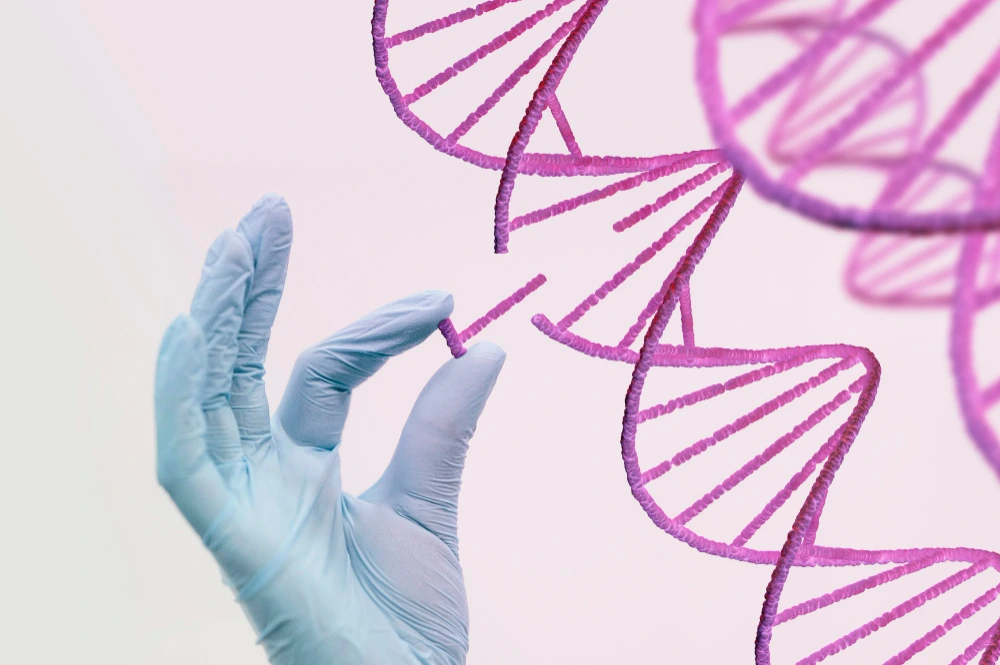
Preimplantation Genetic Testing (PGT) is one of the revolutionary breakthroughs in human reproductive medicine. It is designed to recognise the genetic disorders of the embryos produced by in vitro fertilisation (IVF) before the embryos are implanted into the uterus. This testing is important because it can prevent the conception of inherited diseases.
PGT refers to the process of diagnosing embryos for genetic defects that might, in the future, cause complications in pregnancies or health complications. It is done when performing IVF treatment when several eggs are collected and fertilised to obtain embryos. After that, some cells are taken at some stage of the embryo’s development to check if the received embryo has any genetic disorders. There are three main types of PGT:
Certain couples who are at a high risk of being carriers for certain inherited diseases, such as cystic fibrosis or sickle cell anaemia, should consider this.
There is also a likelihood of chromosomal abnormalities in the embryo among women of more than 35 years of age. PGT can also assist in the determination of viable embryos and supported pregnancy outcomes, decreasing the risk of miscarriages.
For those couples who have gone through a few failed IVF cycles, the PGT can reveal any genetic problems related to the embryos. This way, they can pick likely healthier embryos to transfer to the uterus of the woman who intends to conceive.
Some couples who experience threatening complications in their pregnancies, such as recurrent miscarriages, might benefit from PGT. It permits the screening of embryos to establish if they have chromosomal problems, which could be making them lose pregnancies.
Every couple who is going through the IVF process has the opportunity to enhance their probability by opting for PGT. They make certain, by selecting genetically healthy embryos, that there will be a good chance of implantation and going on to have a successful pregnancy.
People who are heterozygous for disorders with autosomal dominant effects like Huntington’s disease may undergo PGT to avoid transmitting such disorders to offspring. It reduces the probability of conceiving a child with the condition and can be highly effective as a preventative measure.
Preimplantation Genetic testing is a worthy choice for diverse populations to improve conception rates. The couples seeking to undertake PGT should do so after consulting a doctor or healthcare. Consult with experts at Maaeri Fertility and IVF Center, get all the necessary support during the PGT process, and make an informed choice regarding the future of one’s reproductive system.


