
- 🕒 Mon - Sat 9AM - 6PM
- 📞 Phone : +91 98186 44599

By Dr. Ram Prakash, Maaeri Fertility & IVF Centre
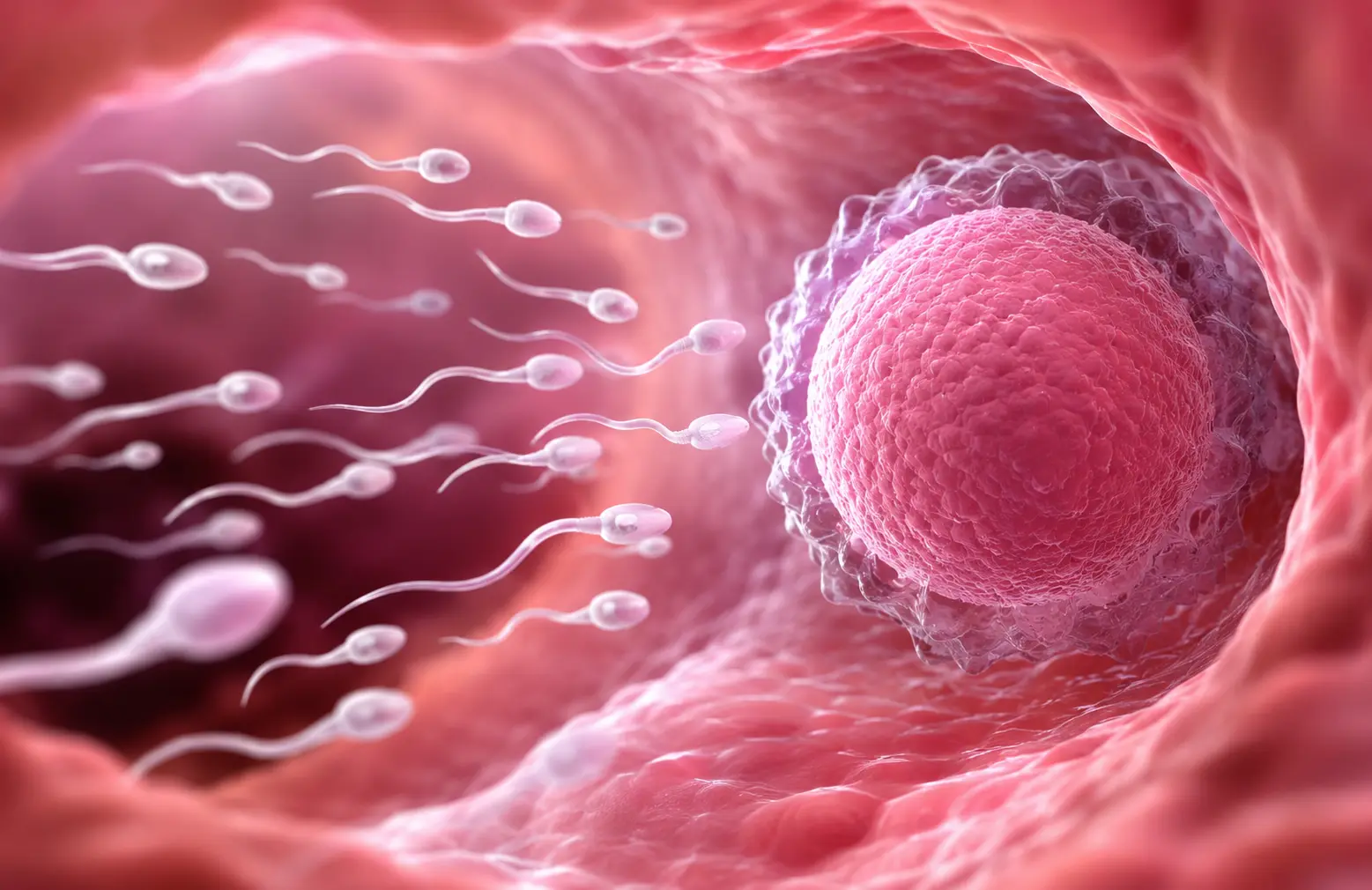
One of the most practically useful things couples trying to conceive can understand is sperm lifespan in the female body — specifically, what determines how long sperm remain viable, and what shortens that window. The answer isn't a fixed number. It is a range shaped by biology on both sides, and knowing which factors reduce it can directly inform conception timing and, when needed, the direction of a fertility workup.
Under ideal conditions — specifically, when fertile-quality cervical mucus is present around the time of ovulation — sperm can survive up to five days in the female reproductive tract. This extended survival is what makes conception possible from intercourse that happens several days before ovulation, not just on the day itself. The average survival is closer to three days; outside the fertile window, the same cervical environment can reduce viability from days to hours.
Once sperm pass the cervix, the uterine and tubal environment becomes more neutral and actively supportive. The tubal epithelium interacts directly with sperm through signaling that maintains fertilising capacity — something currently absent in standard IVF conditions and an active area of research. Even with five-day tract survival, the window in which sperm can fertilise a released egg is only 12–24 hours post-ovulation. This is the biology behind why tracking fertile days accurately matters so much.
Several factors reduce how long sperm survive after intercourse, on both sides of the equation:
Female-Side Factors
Male-Side Factors
If conception has not occurred despite well-timed intercourse, reduced sperm lifespan — from sperm quality, cervical mucus, or the reproductive environment — may be part of the picture. Evaluating both partners with complete female fertility testing alongside a full male-factor workup gives the clearest view of where the gap is and what to address.
Can sperm survive for seven days inside the female body?
In rare conditions, sperm have been reported to survive up to seven days, but this is uncommon. Under typical conditions, three to five days is the realistic range, and fertility-window planning should be based on that.
Does the fertile window change how long sperm survive?
Yes, significantly. Cervical mucus during the fertile window actively nourishes and protects sperm. Outside of it, even healthy sperm with good morphology may survive only a few hours.
If sperm motility is normal, does DNA fragmentation still matter?
Yes. Motility and DNA integrity are separate measurements. A sperm can swim well and still carry fragmented DNA that reduces fertilising ability and increases early pregnancy loss risk. We assess both as part of a complete male fertility evaluation at Maaeri.


