
- 🕒 Mon - Sat 9AM - 6PM
- 📞 Phone : +91 98186 44599

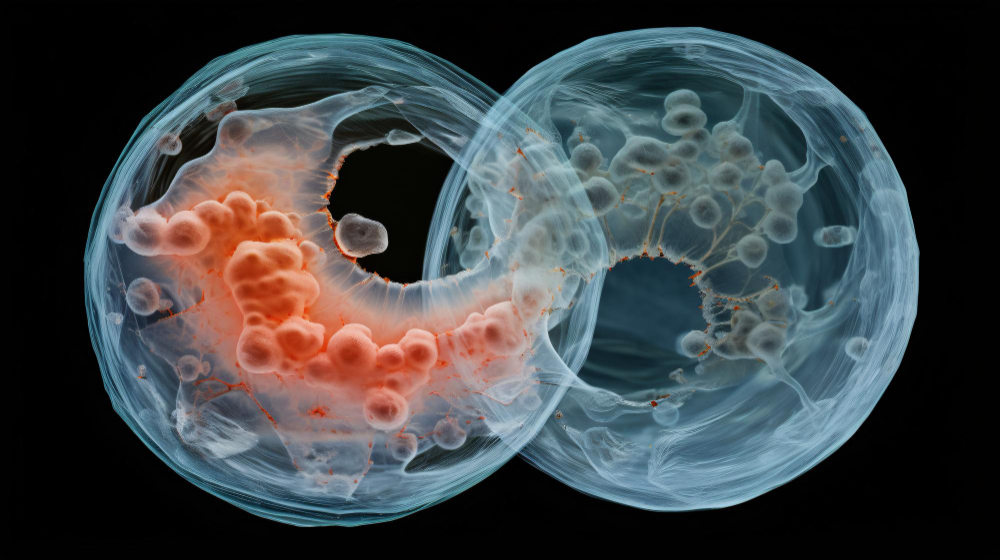
The desire of many couples is to have more successful IVF in fewer cycles. Blastocyst transfer enhances the implantation rates according to recent fertility studies. IVF treatment is emotionally and financially draining. Selecting the right embryo transfer stage can thus be perplexing.
The two methods of transfer are explained in this guide. The readers will be informed about the success rates, benefits, risks, and optimal patient suitability.
Transference of Blastocyst occurs on the 5th or 6th day following fertilisation. Embryos at this stage are more stable and developed. Physicians are able to detect healthier embryos prior to transfer.
The transfer of Day 3 takes place sooner in the development of the embryo. There are typically six to eight cells in the embryo at this point. The primary variation is the embryo maturity prior to transfer. Transfer of Blastocyst can be observed within the lab. Day 3 transfer saves time in the laboratory.
Most fertility specialists have higher rates of implantation with blastocyst transfer. Improved selection of embryos enhances the success of pregnancy in every cycle.
|
Factor |
Blastocyst Transfer |
Day 3 Transfer |
|
Embryo stage |
Day 5 or 6 |
Day 3 |
|
Implantation rate |
Usually higher |
Moderate |
|
Embryo selection |
More accurate |
Limited |
|
Multiple pregnancy risk |
Lower |
Higher |
The transfer of blastocysts is typically advantageous to patients who generate multiple healthy embryos. It is also beneficial to couples who have failed IVF in the past. Many experts recommend it in cases of repeated issues with implantation.
It can also be beneficial to patients who undergo frozen embryo transfer. Transfers of frozen blastocysts enable better uterine preparation prior to implantation. Indian couples who are seeking fertility treatment would like to receive personalised treatment. At Maaeri, the embryo quality is evaluated by specialists who then give a recommendation on when to transfer. This will help in safer fertility choices.
Despite improved success rates, there are still limitations with Blastocyst transfer. Other embryos might cease growth prior to attaining the blastocyst phase. Low egg counts in patients can thus result in missed transfer opportunities.
Occasionally, day 3 transfer can help save delicate embryos that are subjected to prolonged laboratory culture. This alternative can be used with older women who have fewer eggs that were retrieved. Experts tend to make decisions based on performance on a case-by-case basis. Each fertility experience is unique medically and emotionally. The ultimate decisions regarding IVF still require expert advice.
Good lifestyle practices are conducive to IVF treatments. Experts usually suggest a healthy diet, sleep, and stress management. Smoking and drinking more than is necessary must cease.
To enhance preparation, couples can follow the following steps:
Does blastocyst transfer always guarantee pregnancy?
No. Blastocyst transfer enhances the possibility of implantation, but pregnancy remains a matter of a number of medical factors. During the IVF treatment, age, quality of embryos, and health of the uterus are still significant.
Is Day 3 transfer cheaper than blastocyst transfer?
The cost of day 3 transfer can be a little lower due to a shorter laboratory culture time. Nonetheless, the cost of IVF differs among clinics, drugs, and other fertility treatments.
Which transfer method suits older women better?
Day 3 transfer is beneficial to some older women when fewer embryos develop successfully. Experts tend to suggest the safest alternative following a thorough examination of ovarian response and embryo development.
The two embryo transfer techniques have their benefits in various fertility cases. Blastocyst transfer has been shown to offer better implantation rates and embryo selection. Nevertheless, Day 3 transfer continues to favor the chosen patients with few embryos. Before deciding when to undergo treatment, couples ought to consult a medical professional. To get professional fertility treatment and IVF assistance, refer to Maaeri and book an appointment with ease.


